The Prenatal Supplements I'm Taking During Pregnancy (As a Registered Dietitian)
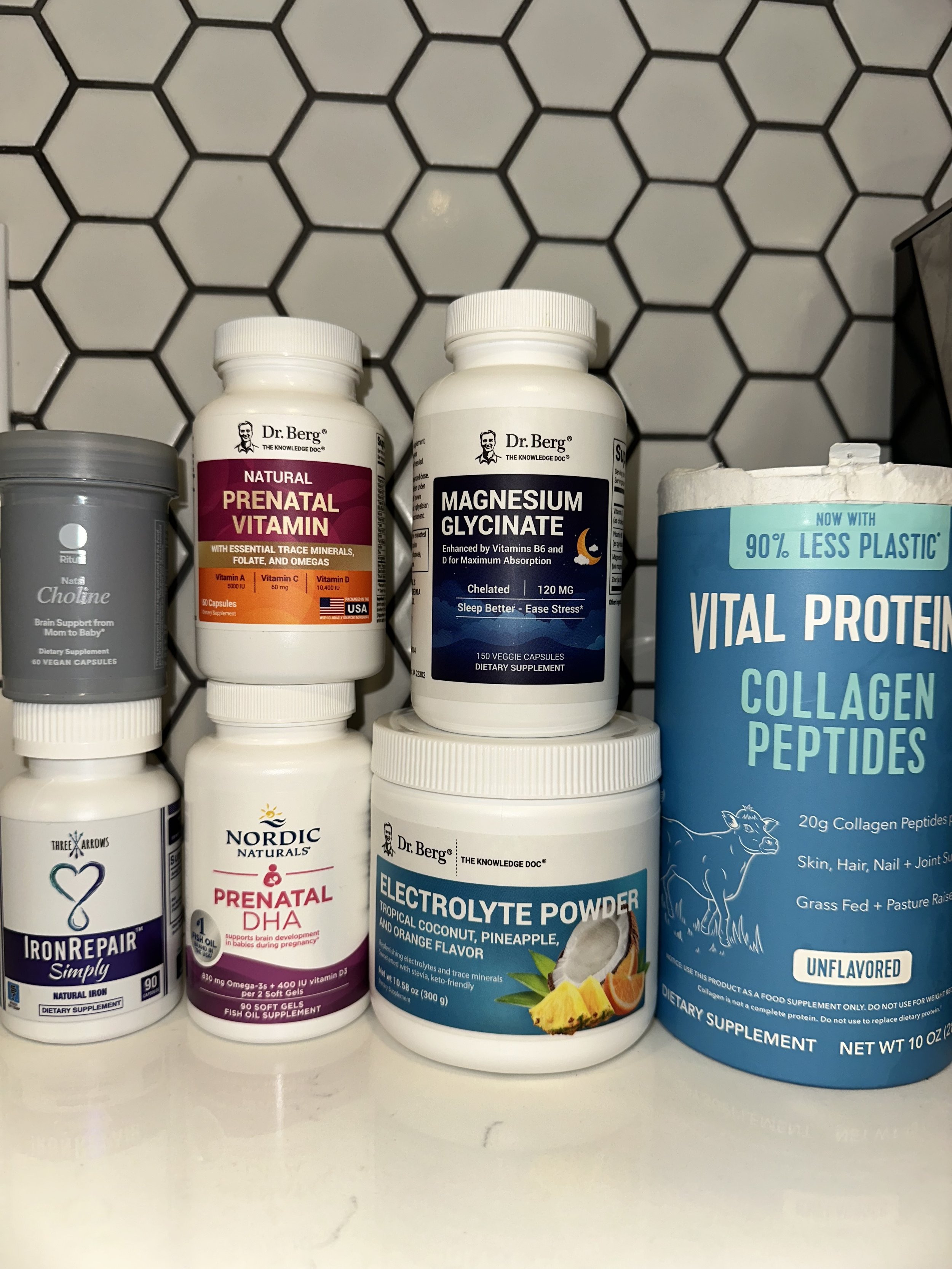
As a registered dietitian who is pregnant, I've done a fair share of research on the supplements I should be taking. Some of these I was already taking before pregnancy, like electrolytes, fish oil, and magnesium glycinate, while others are ones I've added along the way.
Here are the 7 supplements that have been most important for me during pregnancy.
1. Prenatal Vitamin
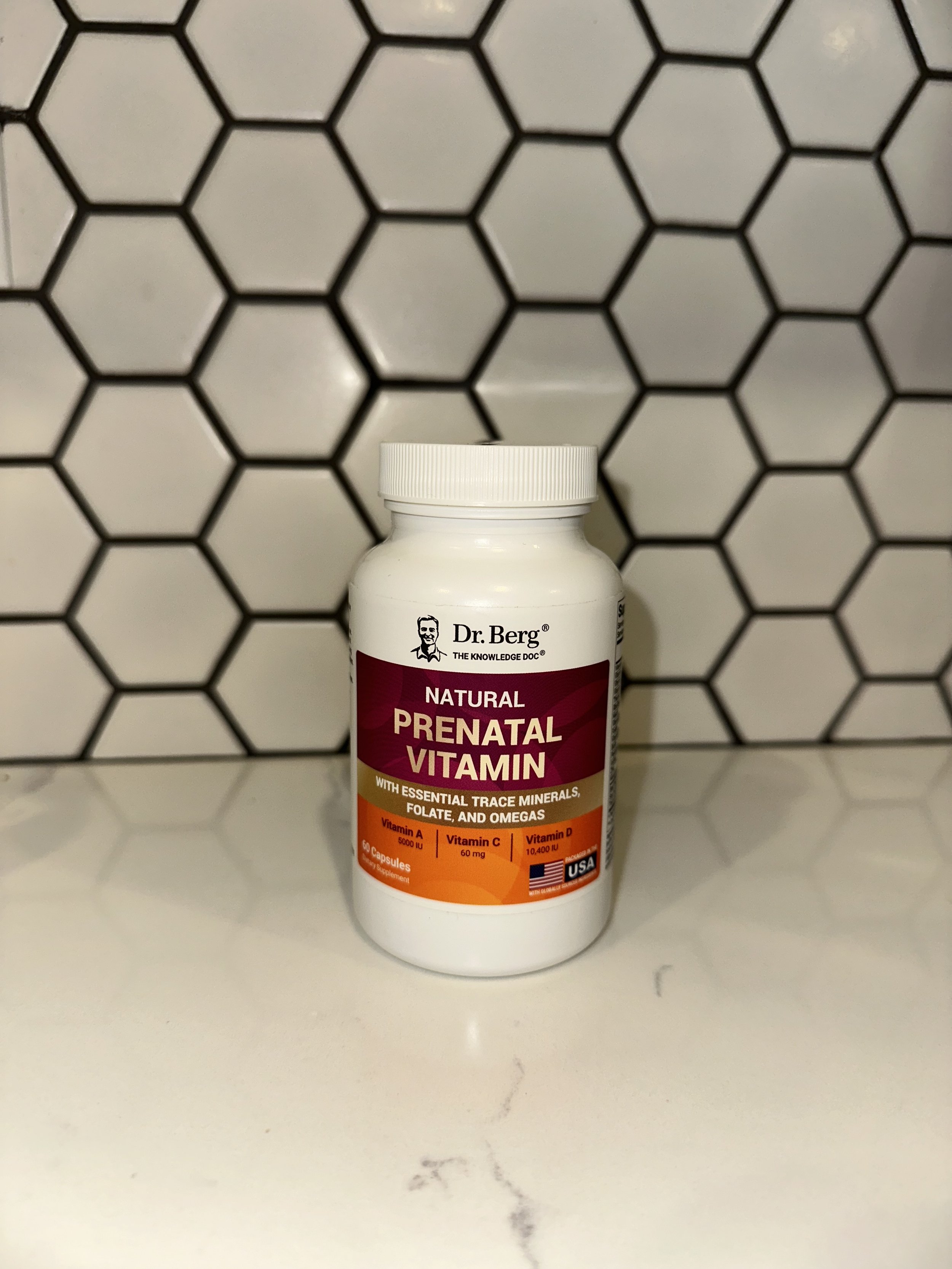
Dr. Berg Natural Prenatal Vitamin
A prenatal vitamin is a well-rounded blend of vitamins and minerals designed to support pregnancy.
I opted for a natural prenatal vitamin made with vitamins, minerals, omegas, and trace minerals sourced from real foods. This one contains folate (which I recommend yours should too!), which is especially important during the first few weeks of pregnancy for neural tube development.
I also liked that it contained 10,400 IU of vitamin D. Since it provided this much vitamin D, I didn't feel the need to take a separate vitamin D supplement. Vitamin D helps with mom’s immunity, bone health, and mood, and baby’s skeletal development.
Vitamin D is a supplement I recommend to many people, especially those who live in colder climates where sun exposure is limited for much of the year. The sun is our best natural source of vitamin D.
This prenatal also contains beef liver powder, which is a natural source of iron.
2. Electrolytes
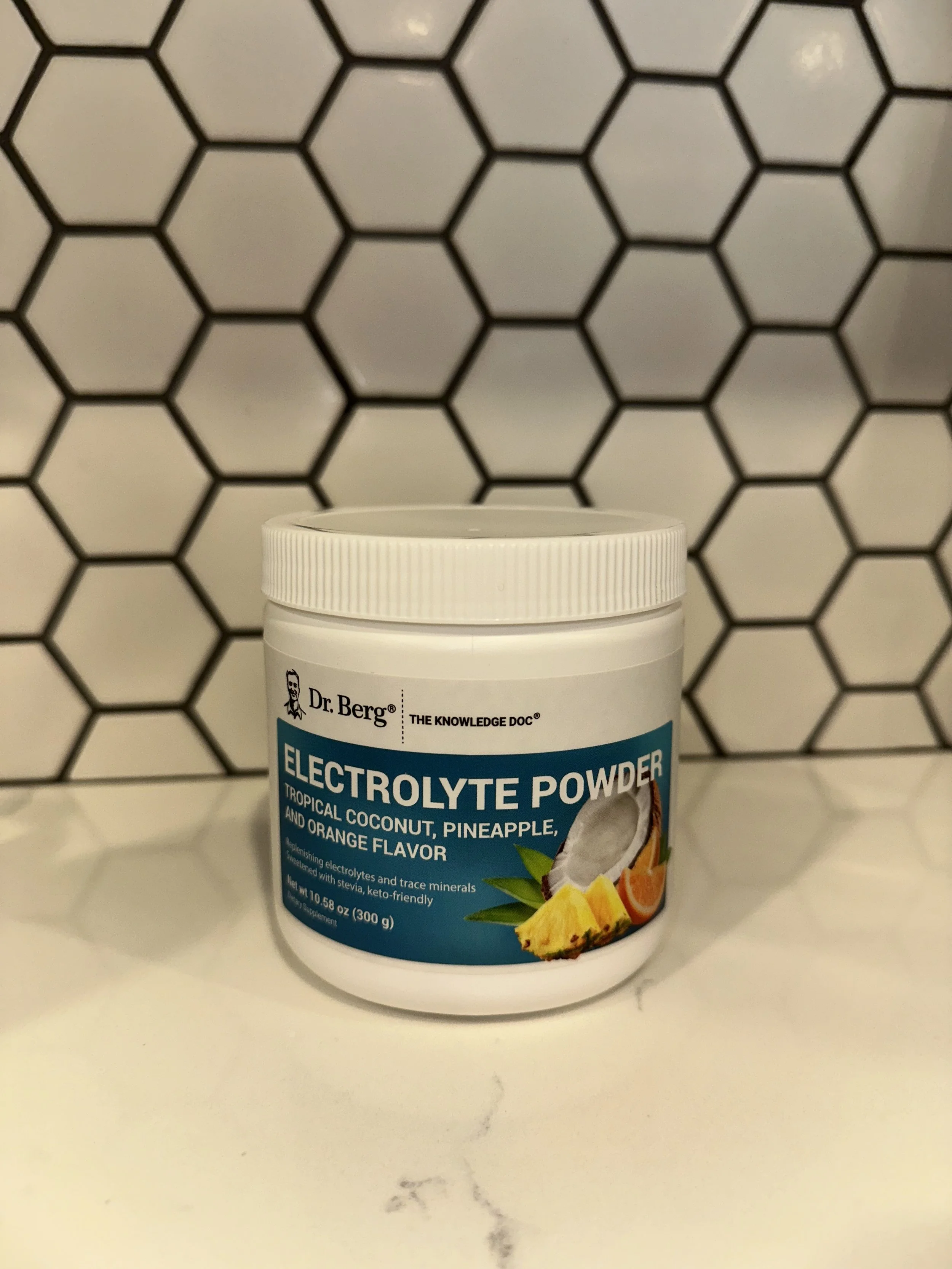
Dr. Berg Electrolyte Powder
The increased thirst, especially during the first two trimesters, was very noticeable for me. My water intake increased significantly because I was constantly thirsty.
For most pregnant women, plain water is all you need. I simply like having an electrolyte powder on hand for hot summer days, after a sweaty workout, or anytime I know I've lost more fluids than usual.
Dr. Bergs Electrolyte Powder provides a significant amount of potassium, which plays an important role in fluid balance, muscle function, and maintaining healthy blood pressure. Because it's relatively low in sodium, I sometimes add a pinch of salt if I've been outside in the heat or sweating a lot during exercise, since sodium is the primary electrolyte lost in sweat.
You can also replenish sodium through whole foods by salting your meals to taste or including foods like cheese, pickles, and olives. Another one of my favorites is bone broth, which also provides protein and collagen.
3. Prenatal DHA (Fish Oil)
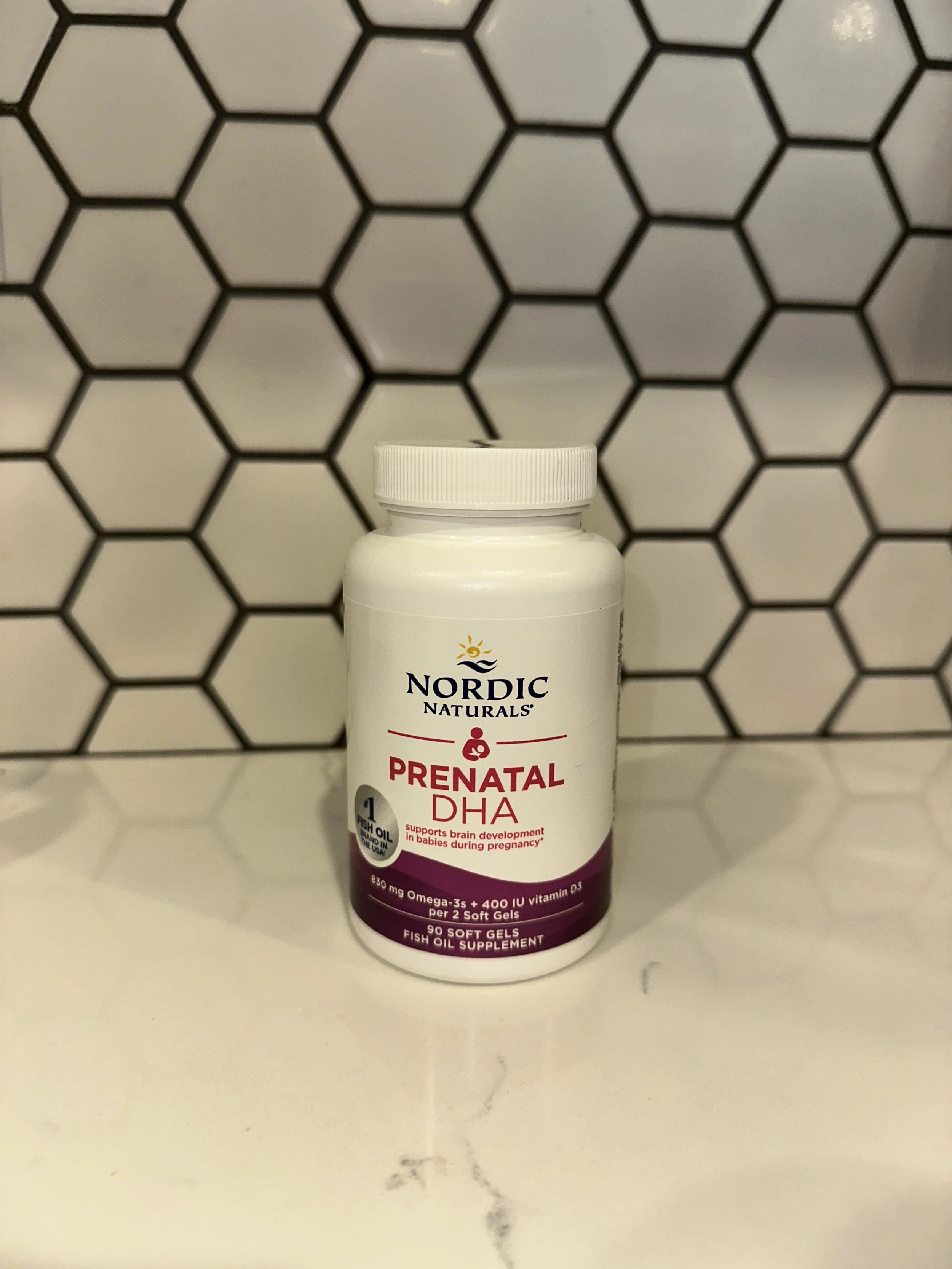
Nordic Naturals Prenatal DHA
I was taking cod liver oil before pregnancy because I've found it to be one of the highest-quality fish oil options. However, during pregnancy it isn't generally recommended because of its high vitamin A content, so I switched to a prenatal DHA supplement.
If you don't eat fish regularly, it may be worth talking with your healthcare provider about a fish oil supplement. On the days I eat fish, I usually skip my supplement.
4. Choline
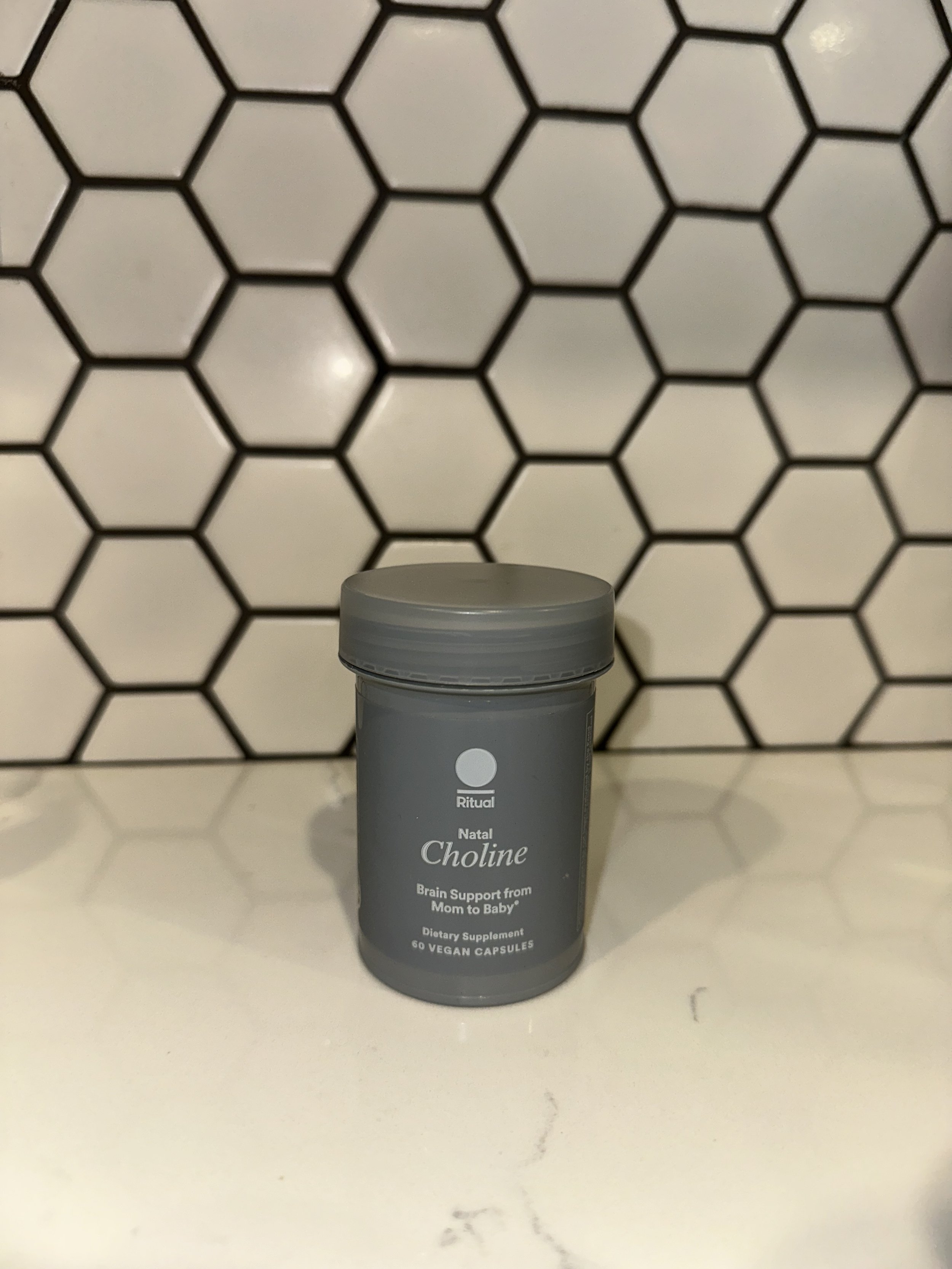
Ritual Natal Choline
I had a major egg aversion during my first trimester, and eggs are one of the best sources of choline.
Choline is an important nutrient for your baby's brain development, and surprisingly, many prenatal vitamins don't contain any of it. I honestly never knew choline supplements existed, and I was so relieved to find one!
5. Magnesium Glycinate
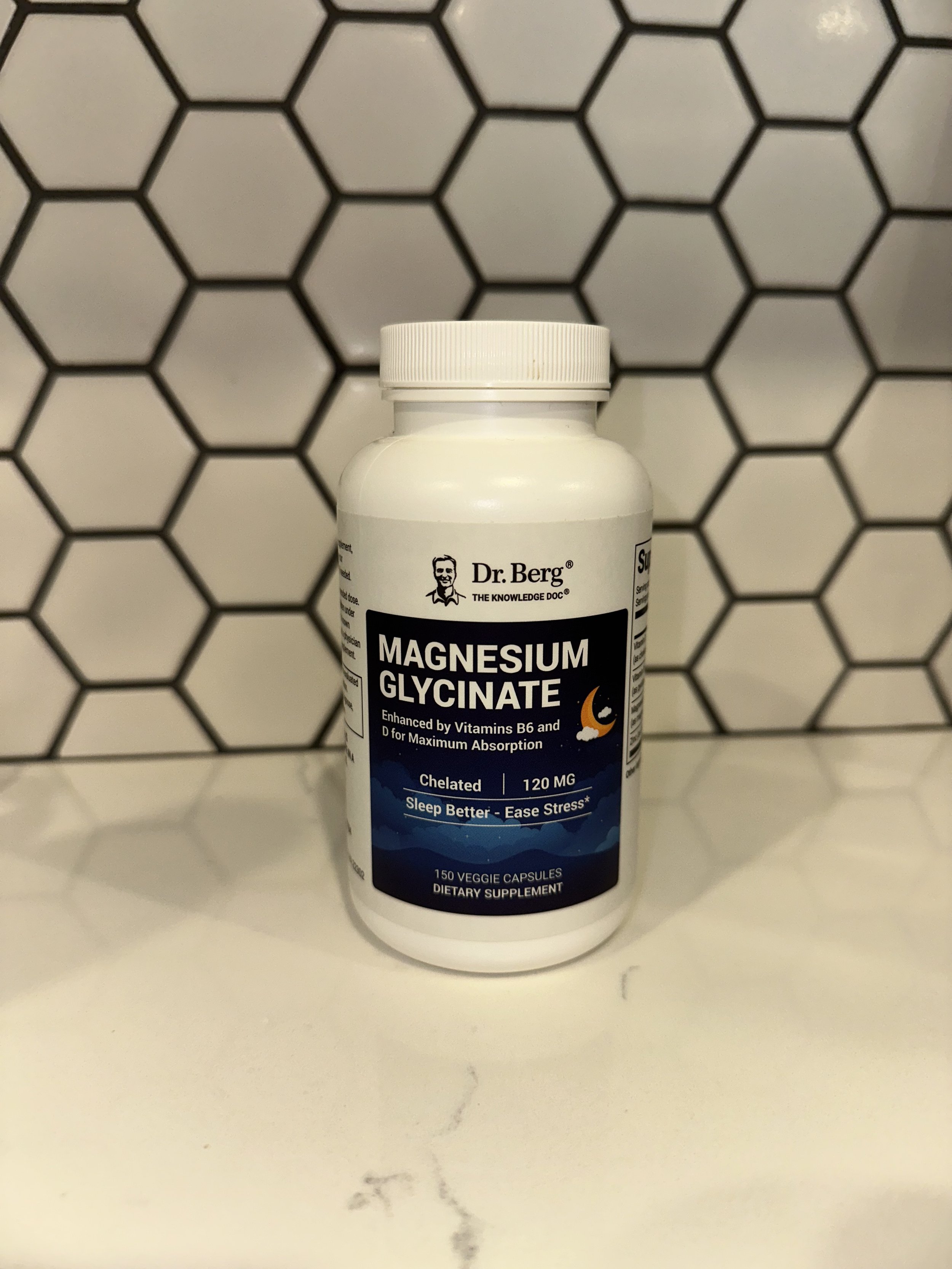
Dr. Berg Magnesium Glycinate
Many people are deficient in magnesium as our soil in the U.S. tends to be depleted of magnesium. I like magnesium glycinate because it's a well-absorbed form and helps support sleep, relaxation, and muscle function.
6. Collagen Peptides
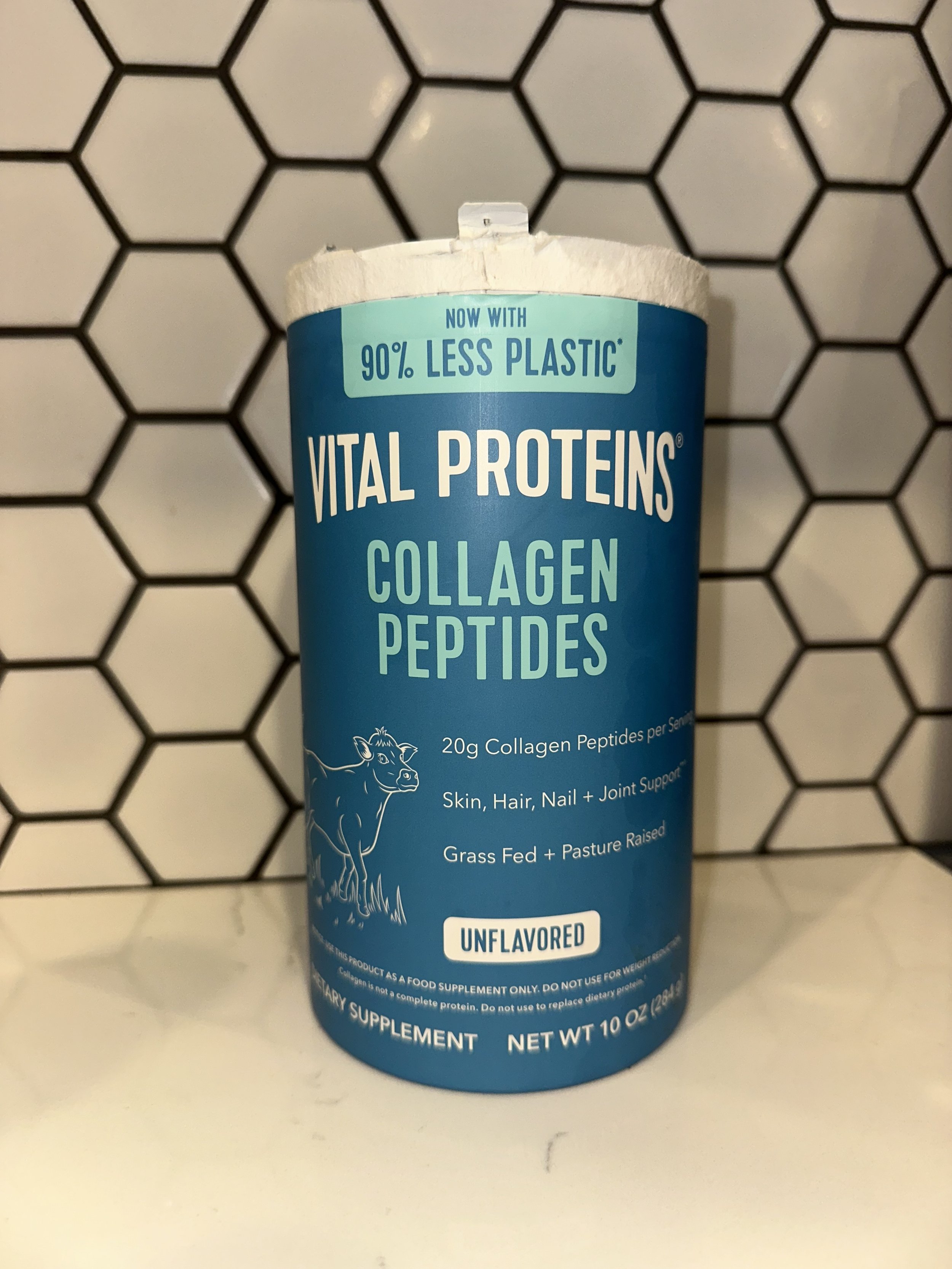
Vital Proteins Collagen Peptides
I started taking collagen peptides during pregnancy to help support the growth of my skin around my belly.
The first time I tried them, I had a pretty severe histamine reaction. I followed the serving size on the Vital Proteins container, which is four tablespoons, and mixed the entire serving into my yogurt. Within a short time, I developed a scratchy throat, runny nose, sneezing, and cold-like symptoms that lasted for the next couple of days.
I stopped taking collagen for a couple of months and later decided to reintroduce it much more slowly by adding just one tablespoon to my coffee. Thankfully, I tolerated that amount just fine.
I also like collagen supplements because most Americans, including myself, don't regularly eat collagen-rich foods like bone broth, heart, tongue, intestines, or gizzards. It is also in chicken skin and fish skin, which I try to consume regularly but for me, a supplement has been a convenient way to include it in my diet.
7. Iron
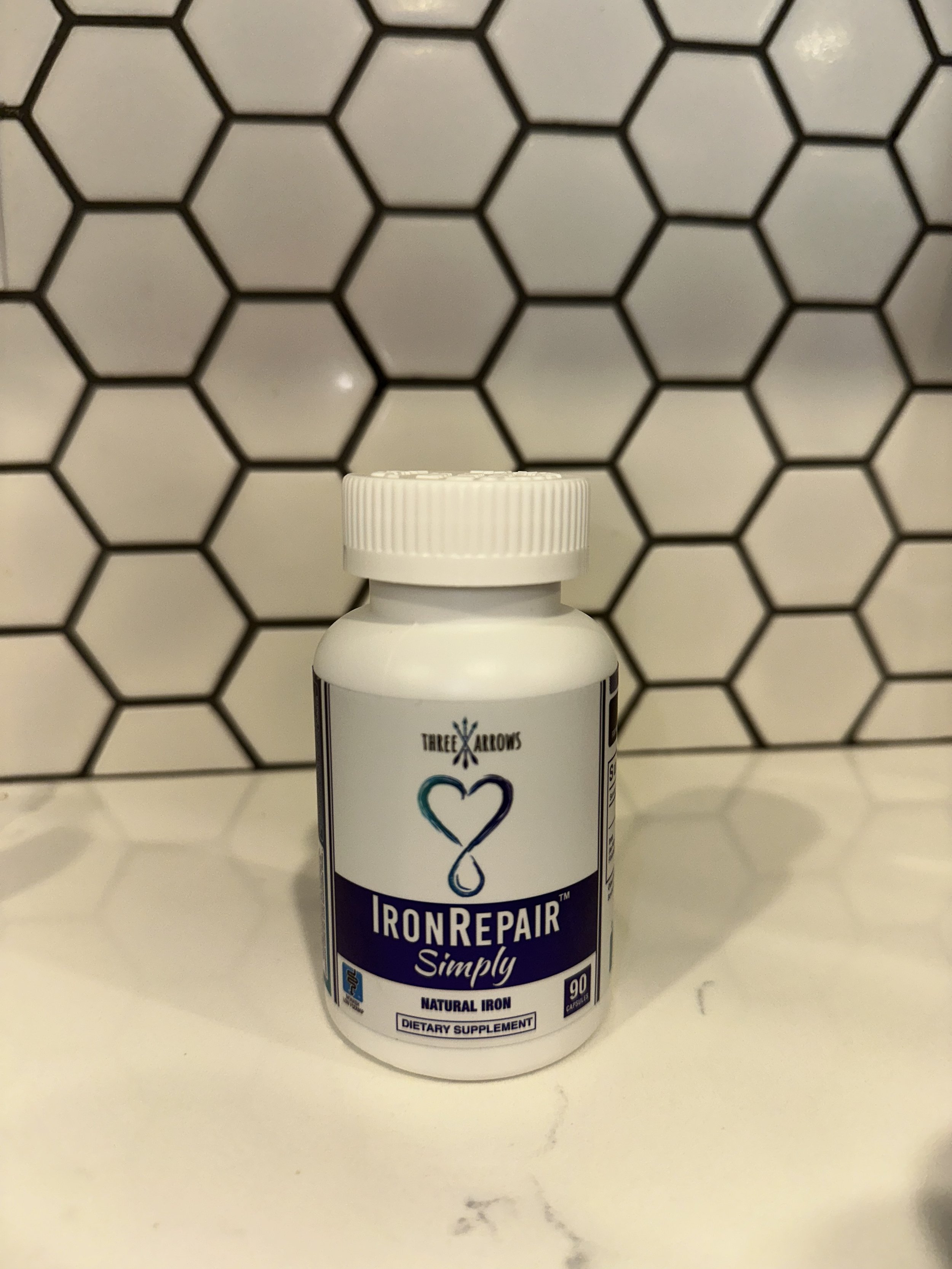
Three Arrows Iron Repair Simply
I avoided taking an iron supplement early in pregnancy because I know that if you take too much iron, it can build up to toxic levels and be hard for your body to get rid of.
Around 11 weeks, I had my initial prenatal lab work completed, and all of my iron levels looked great. Around 26 weeks, I had repeat labs, and my iron levels had gone from normal and healthy to full-blown iron deficiency anemia.
My energy was so low that I was sleeping 8-9 hours per night AND taking naps almost every day. I knew it was time to start supplementing.
My social media community shared their experiences with iron deficiency anemia, which was incredibly helpful. After reading through many recommendations, I decided to try Three Arrows Iron Repair Simply. I also have the Needed iron supplement, which I take occasionally.
It took several weeks before I noticed a difference, but my energy has finally improved as I've reached the last few weeks of pregnancy. I haven't had my iron levels rechecked yet, but I suspect they've improved.
Along with taking an iron supplement, I also started prioritizing iron-rich foods, pairing them with vitamin C-rich foods to help increase absorption, and avoiding taking my iron supplement around the same time I consume calcium-rich foods since calcium can reduce iron absorption.
Summary
These are the seven supplements that worked best for me during my pregnancy. They may not be the right choice for everyone, as nutrient needs can vary based on your diet, lab work, medical history, and stage of pregnancy.
Before starting any new supplement, I always recommend talking with your doctor and a registered dietitian to determine what's appropriate for your individual needs.
